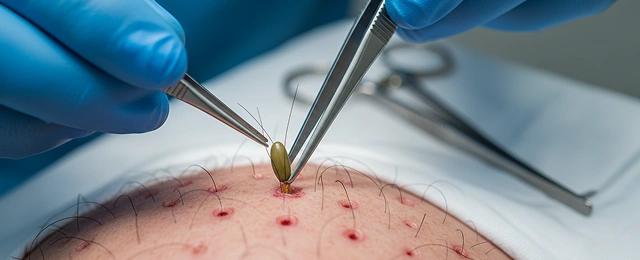
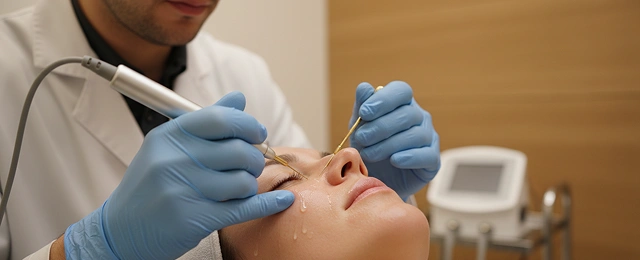
Expert reconstructive care dedicated to restoring function, mobility, and aesthetic form. We specialize in advanced scar revision, contracture release, and complex tissue grafting to help you heal and move forward.
Utilizing advanced skin grafts and local tissue flaps to replace damaged skin with healthy tissue from your own body, promoting seamless healing.
Surgically excising tight scar bands across joints (such as the neck, elbows, or hands) to restore a full, pain-free range of motion.
Comprehensive clinical assessment is the first step toward restoring physical function.
| Factor | Reconstructive Plastic Surgery | Non-Surgical (Lasers / Steroids) |
|---|---|---|
| Best For | Severe contractures, joint restriction, thick keloids | Discoloration, mild texture issues, flat scars |
| Mechanism | Physical excision of scar and tissue replacement | Collagen remodeling and reducing inflammation |
| Mobility Impact | Can instantly restore lost range of motion | Minimal impact on severe joint contractures |
| Downtime | Weeks to months (depending on graft size) | Minimal to a few days per session |
| Setting | Operating theater under general/regional anesthesia | In-office clinic treatment |
Every burn injury is unique. We tailor the surgical approach entirely based on the location and severity of the tissue damage.
Your surgeon evaluates the scar's depth, tension lines, and impact on underlying muscles and joints to determine whether a skin graft, Z-plasty, or local tissue flap is the safest, most effective option.
Under anesthesia, the tight, restrictive scar tissue is carefully cut away (excised). This immediately releases the tension on the skin and allows restricted joints to straighten naturally.
The resulting open area is covered. A skin graft involves shaving a thin layer of healthy skin from a donor site (like the thigh) to cover the wound. A flap involves moving thicker tissue, along with its blood supply, to cover deeper defects.
The new tissue is secured with delicate sutures or staples. Specialized, non-adherent compression dressings and splints are applied to immobilize the area, ensuring the graft successfully connects to the new blood supply.
Surgery is only half the process. Once the grafts have taken, aggressive physical therapy and the use of custom pressure garments are necessary to prevent the new scars from shrinking or contracting.
Healing from reconstructive surgery requires patience, strict immobilization initially, and dedicated physical therapy later.
No surgery can erase a scar completely. The goal of reconstructive surgery is to improve the function (restoring mobility) and the aesthetic appearance (making the scar flatter, softer, or repositioning it to be less noticeable).
A skin graft involves completely detaching a thin layer of skin from a donor site and placing it on the wound. A tissue flap is a thicker piece of tissue (often including fat or muscle) that is moved to a nearby wound while keeping its original blood supply intact.
Yes. Surgery releases the physical restriction, but without aggressive physical therapy and the use of splints or pressure garments, the body's natural healing process will cause the new scar to contract and tighten all over again.
We generally wait 6 to 12 months after the initial injury before performing cosmetic scar revisions, allowing the scar tissue to mature and soften. However, if a contracture is severely restricting joint movement, surgery may be performed sooner.
For skin grafts, we typically harvest skin from areas that are easily hidden by clothing, such as the upper thighs, buttocks, or the back.
While we do not directly process insurance, procedures performed to restore bodily function (like contracture release) are often covered by health insurance providers. Purely cosmetic scar revisions may not be. We provide all necessary clinical documentation for you to claim reimbursement.