Home / Services / Skin Care / Melasma Treatment

Melasma Treatment

Safely and effectively manage stubborn pigmentation. We utilize a precise combination of advanced laser technology, customized chemical peels, and targeted medical-grade skincare to restore an even, radiant complexion without triggering rebound pigmentation.

15+
Years of clinical expertise
3000+
Pigmentation cases managed
Multi
Modality customized approach
FDA
Approved therapies

Reclaiming an Even, Luminous Complexion

Melasma is a complex, chronic skin condition characterized by patches of brown or grayish-brown discoloration on the face. Unlike a simple sunspot, melasma is often triggered by hormonal fluctuations (such as pregnancy or oral contraceptives) combined with UV exposure. Treating it requires immense clinical care—aggressive heat from traditional lasers can actually inflame the melanocytes and cause the pigmentation to worsen. Our approach focuses on safely breaking down existing pigment while putting the overactive pigment-producing cells to sleep.

Gentle Acoustic Lasers

We use advanced Pico and Q-Switched lasers that shatter pigment using soundwaves (photoacoustic energy) rather than heat, drastically reducing the risk of worsening the condition.

Melanin Inhibition

Treatment in the clinic is paired with prescription-strength Tyrosinase Inhibitors to block the enzyme in your skin that produces new dark pigment.

Are You a Candidate for Melasma Treatment?

Proper diagnosis is the most important step. We first use advanced digital skin analysis to determine whether your melasma is epidermal (surface level), dermal (deep), or mixed, which dictates your exact treatment plan.

Ideal Candidates

  • Suffer from symmetrical brown patches on the cheeks, forehead, or upper lip
  • Developed the "mask of pregnancy" (chloasma) that hasn't faded postpartum
  • Have pigmentation that worsens noticeably during summer months
  • Are fully committed to daily, strict sun protection (SPF 50+)
  • Understand that melasma is managed long-term, rather than permanently "cured"

Needs Evaluation

  • Women who are currently pregnant or nursing (limits the use of certain peels and topical prescriptions)
  • Have an active skin infection or severe eczema flare-up
  • Frequently use tanning beds or intentionally sunbathe unprotected
  • Unwilling to adopt a required maintenance skincare routine

A Safe, Medical Environment

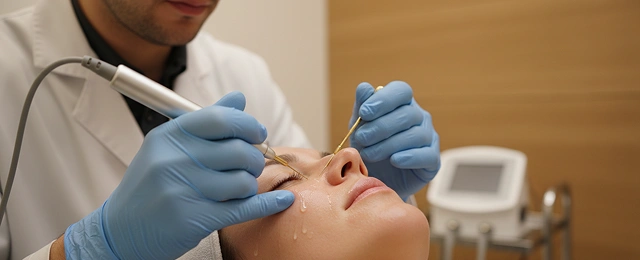
Because melasma is so sensitive to inflammation, treatments must be performed in a highly controlled medical setting. Our ISO-9001 certified clinic ensures that every chemical peel and laser session is administered with exact precision to safely lift pigment without causing trauma to the skin barrier.

Clinical aesthetic surgical suite

Our sterile clinical environment is designed to deliver advanced dermatology treatments safely.

Clinical Treatment vs. Over-the-Counter Creams

Standard drugstore brightening creams often only treat the very top layer of the skin. Deep dermal melasma requires clinical intervention to penetrate beneath the surface and physically break down the trapped pigment.

Factor Clinical Melasma Management Over-The-Counter Skincare
Depth of Penetration Reaches deep dermal layers via lasers and clinical peels Sits primarily on the stratum corneum (surface)
Pigment Destruction Physically shatters and lifts existing trapped melanin Mildly exfoliates and brightens slowly
Active Ingredients Prescription-strength Hydroquinone, Tranexamic Acid Low-concentration Vitamin C, Niacinamide
Speed of Results Noticeable clearing in weeks to months Takes many months for very minor changes
Customization Tailored directly to your exact depth of pigment One-size-fits-all approach

The Treatment Journey

Melasma requires a strategic, phased approach to calm the skin and clear the pigment.

1

Advanced Skin Analysis

We use digital imaging (like a Wood’s lamp) to look beneath the surface of your skin to determine exactly how deep the melasma pigment sits, allowing us to build an accurate protocol.

2

Pre-Treatment Priming

Before any in-clinic procedure, you may be placed on a 2-4 week regimen of tyrosinase inhibitors (topical creams) to "quiet down" your pigment cells and prevent a flare-up from the treatment.

3

In-Clinic Modalities

Depending on your plan, we will perform a series of gentle, low-energy Pico laser sessions to shatter the pigment, or customized chemical peels (like a Cosmelan peel) to lift the discolored cells to the surface.

4

Calming & Recovery

Immediately post-treatment, soothing masks and specialized barrier-repair creams are applied. The skin must be kept cool and strictly protected from UV light to prevent inflammation.

5

Homecare & Maintenance

Melasma is chronic. Your daily homecare routine—including medical-grade SPFs and customized brightening serums—is non-negotiable to maintain your clear results and prevent the pigment from returning.

What to Expect Post-Treatment

Recovery depends entirely on the modality used, but generally follows a predictable pattern of shedding the old pigment.

Day 1–2
Following a peel or laser session, your skin will likely feel tight and appear flushed or pink. You must avoid heat (saunas, hot water, heavy workouts) completely.
Day 3–7
The pigmented patches may actually appear darker initially as the shattered pigment is pushed to the surface. You may experience light, dusty flaking. Do not peel or pick at it.
Week 2–4
The flaking resolves, revealing significantly brighter, more even-toned skin underneath. Your medical-grade homecare routine takes over to suppress new pigment formation.
Ongoing
Periodic maintenance sessions (every few months) combined with rigorous sun protection will keep the melasma at bay and your skin looking clear and luminous.

Honest About Risks, Serious About Safety

Because melasma is highly reactive, treatments must be approached with caution. Aggressive treatments can trigger "rebound pigmentation," making the condition worse.

  • Rebound Pigmentation: If the skin is exposed to too much heat or trauma, the melanocytes will panic and produce even more pigment. We avoid this by using low-energy, cool protocols.
  • Sun Exposure: Unprotected sun exposure during the healing phase will instantly undo your results and potentially darken the skin permanently. Strict SPF 50+ is mandatory.
  • Dryness & Peeling: Chemical peels designed for melasma will cause dryness and flaking. Pulling or picking at the flaking skin can cause scarring and post-inflammatory hyperpigmentation (PIH).
  • Chronic Nature: There is no absolute "cure" for melasma. It is a chronic condition that is managed safely to keep the skin clear. Hormonal shifts can cause it to return if not managed properly.
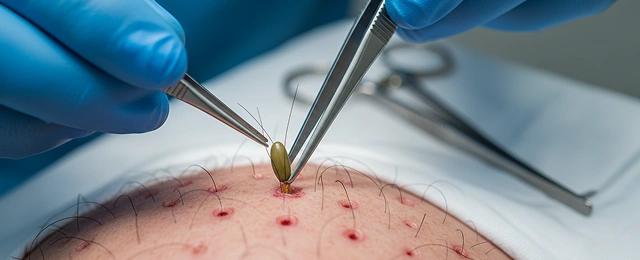
Clinical aesthetic tools and environment

Frequently Asked Questions

Can melasma be cured permanently?

No, there is currently no permanent medical cure for melasma because it is tied to internal hormonal fluctuations and genetics. However, with the right combination of clinical treatments and diligent homecare, it can be successfully faded and managed so that it is no longer visible.

Does the treatment hurt?

Most of our melasma treatments are very tolerable. Low-energy acoustic lasers feel like a light snapping sensation, and chemical peels may feel warm or slightly tingly. We prioritize keeping the skin cool and comfortable to avoid inflammation.

How long until I see results?

Patience is key. While you may see brightening after a single peel, true clearance of deep melasma typically takes several weeks to a few months of consistent clinical treatments paired with your at-home medical skincare routine.

Can I undergo treatment during the summer?

Yes, but you must be incredibly disciplined with sun protection. Since summer brings higher UV exposure and heat (both triggers for melasma), many patients prefer to do their heavier lifting (peels/lasers) in the winter and focus on topical maintenance during the summer months.

Why did my melasma get worse after an IPL treatment elsewhere?

IPL (Intense Pulsed Light) relies heavily on heat to target pigment. Because melasma is exacerbated by heat and inflammation, the thermal energy from an IPL treatment often triggers the melanocytes to overreact, resulting in darker rebound pigmentation.

Can I wear makeup during the treatment process?

Usually, we ask that you avoid makeup for 24-48 hours immediately following a clinical peel or laser session to allow the skin barrier to heal. Once the initial redness subsides, you can use mineral-based makeup.

Book Skin Consultation +92 336 5269417