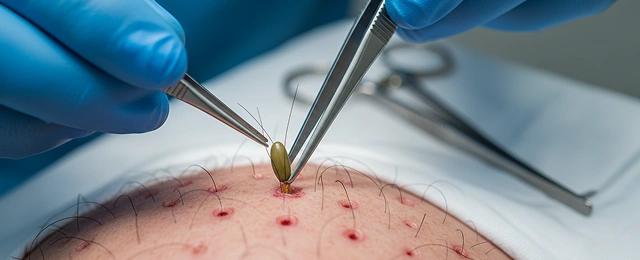
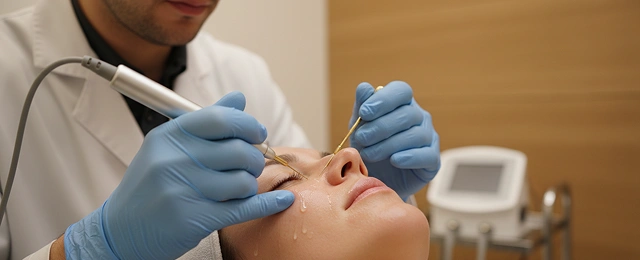
Safely and effectively manage stubborn pigmentation. We utilize a precise combination of advanced laser technology, customized chemical peels, and targeted medical-grade skincare to restore an even, radiant complexion without triggering rebound pigmentation.
We use advanced Pico and Q-Switched lasers that shatter pigment using soundwaves (photoacoustic energy) rather than heat, drastically reducing the risk of worsening the condition.
Treatment in the clinic is paired with prescription-strength Tyrosinase Inhibitors to block the enzyme in your skin that produces new dark pigment.
Our sterile clinical environment is designed to deliver advanced dermatology treatments safely.
| Factor | Clinical Melasma Management | Over-The-Counter Skincare |
|---|---|---|
| Depth of Penetration | Reaches deep dermal layers via lasers and clinical peels | Sits primarily on the stratum corneum (surface) |
| Pigment Destruction | Physically shatters and lifts existing trapped melanin | Mildly exfoliates and brightens slowly |
| Active Ingredients | Prescription-strength Hydroquinone, Tranexamic Acid | Low-concentration Vitamin C, Niacinamide |
| Speed of Results | Noticeable clearing in weeks to months | Takes many months for very minor changes |
| Customization | Tailored directly to your exact depth of pigment | One-size-fits-all approach |
Melasma requires a strategic, phased approach to calm the skin and clear the pigment.
We use digital imaging (like a Wood’s lamp) to look beneath the surface of your skin to determine exactly how deep the melasma pigment sits, allowing us to build an accurate protocol.
Before any in-clinic procedure, you may be placed on a 2-4 week regimen of tyrosinase inhibitors (topical creams) to "quiet down" your pigment cells and prevent a flare-up from the treatment.
Depending on your plan, we will perform a series of gentle, low-energy Pico laser sessions to shatter the pigment, or customized chemical peels (like a Cosmelan peel) to lift the discolored cells to the surface.
Immediately post-treatment, soothing masks and specialized barrier-repair creams are applied. The skin must be kept cool and strictly protected from UV light to prevent inflammation.
Melasma is chronic. Your daily homecare routine—including medical-grade SPFs and customized brightening serums—is non-negotiable to maintain your clear results and prevent the pigment from returning.
Recovery depends entirely on the modality used, but generally follows a predictable pattern of shedding the old pigment.
No, there is currently no permanent medical cure for melasma because it is tied to internal hormonal fluctuations and genetics. However, with the right combination of clinical treatments and diligent homecare, it can be successfully faded and managed so that it is no longer visible.
Most of our melasma treatments are very tolerable. Low-energy acoustic lasers feel like a light snapping sensation, and chemical peels may feel warm or slightly tingly. We prioritize keeping the skin cool and comfortable to avoid inflammation.
Patience is key. While you may see brightening after a single peel, true clearance of deep melasma typically takes several weeks to a few months of consistent clinical treatments paired with your at-home medical skincare routine.
Yes, but you must be incredibly disciplined with sun protection. Since summer brings higher UV exposure and heat (both triggers for melasma), many patients prefer to do their heavier lifting (peels/lasers) in the winter and focus on topical maintenance during the summer months.
IPL (Intense Pulsed Light) relies heavily on heat to target pigment. Because melasma is exacerbated by heat and inflammation, the thermal energy from an IPL treatment often triggers the melanocytes to overreact, resulting in darker rebound pigmentation.
Usually, we ask that you avoid makeup for 24-48 hours immediately following a clinical peel or laser session to allow the skin barrier to heal. Once the initial redness subsides, you can use mineral-based makeup.