Home / Services / Burn & Plastic Surgery

Burn & Plastic Surgery

Expert reconstructive care dedicated to restoring function, mobility, and aesthetic form. We specialize in advanced scar revision, contracture release, and complex tissue grafting to help you heal and move forward.

15+
Years surgical experience
500+
Reconstructive cases
Both
Function & Aesthetics
ISO-9001
Certified medical facility

Restoring Mobility and Form

Severe burns and traumatic injuries can leave behind dense, restrictive scar tissue (contractures) that limit joint movement and alter physical appearance. Reconstructive plastic surgery aims to release these physical restrictions, cover exposed areas, and refine the aesthetic appearance of the healed skin, dramatically improving your quality of life.

Tissue Transfer

Utilizing advanced skin grafts and local tissue flaps to replace damaged skin with healthy tissue from your own body, promoting seamless healing.

Contracture Release

Surgically excising tight scar bands across joints (such as the neck, elbows, or hands) to restore a full, pain-free range of motion.

Evaluating Reconstructive Candidacy

Timing is critical in burn reconstruction. Some scars improve with time and non-surgical therapy, while others strictly require surgical intervention to prevent permanent joint stiffness or severe deformity.

Strong Candidates

  • Fully healed burn injuries (typically 6-12 months post-injury)
  • Scars restricting movement across joints (contractures)
  • Thick, painful, or continuously itching hypertrophic scars
  • Cosmetic deformities causing significant psychological distress
  • Commitment to post-operative physical therapy

Needs Evaluation

  • Active infections or unhealed open wounds in the target area
  • Uncontrolled diabetes, which severely impairs graft healing
  • Expecting the scar to be "erased" entirely (surgery replaces a bad scar with a better one)
  • Severe malnutrition or heavy smoking habits

Clinical Excellence in Reconstruction

Burn reconstruction is highly complex and requires meticulous sterile technique to ensure graft survival. Our ISO-9001 certified surgical suites are equipped with specialized dermatomes and microsurgical instruments, providing the safest possible environment for tissue transfer.

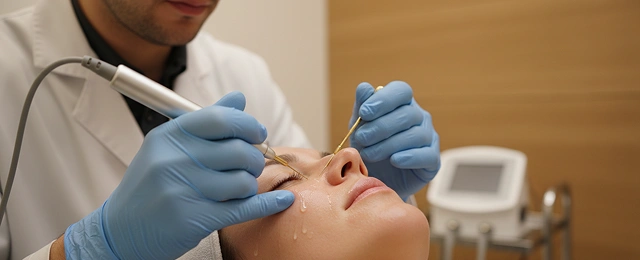
Clinical consultation and reconstructive assessment

Comprehensive clinical assessment is the first step toward restoring physical function.

Surgical Reconstruction vs. Non-Surgical Therapy

While non-surgical options are excellent for mild scarring, severe burn trauma resulting in thick bands or restricted mobility requires physical surgical release.

Factor Reconstructive Plastic Surgery Non-Surgical (Lasers / Steroids)
Best For Severe contractures, joint restriction, thick keloids Discoloration, mild texture issues, flat scars
Mechanism Physical excision of scar and tissue replacement Collagen remodeling and reducing inflammation
Mobility Impact Can instantly restore lost range of motion Minimal impact on severe joint contractures
Downtime Weeks to months (depending on graft size) Minimal to a few days per session
Setting Operating theater under general/regional anesthesia In-office clinic treatment

The Surgical Process

Every burn injury is unique. We tailor the surgical approach entirely based on the location and severity of the tissue damage.

1

Thorough Clinical Assessment

Your surgeon evaluates the scar's depth, tension lines, and impact on underlying muscles and joints to determine whether a skin graft, Z-plasty, or local tissue flap is the safest, most effective option.

2

Scar Excision & Release

Under anesthesia, the tight, restrictive scar tissue is carefully cut away (excised). This immediately releases the tension on the skin and allows restricted joints to straighten naturally.

3

Tissue Grafting or Flap Transfer

The resulting open area is covered. A skin graft involves shaving a thin layer of healthy skin from a donor site (like the thigh) to cover the wound. A flap involves moving thicker tissue, along with its blood supply, to cover deeper defects.

4

Fixation & Dressing

The new tissue is secured with delicate sutures or staples. Specialized, non-adherent compression dressings and splints are applied to immobilize the area, ensuring the graft successfully connects to the new blood supply.

5

Rehabilitation

Surgery is only half the process. Once the grafts have taken, aggressive physical therapy and the use of custom pressure garments are necessary to prevent the new scars from shrinking or contracting.

Your Recovery Journey

Healing from reconstructive surgery requires patience, strict immobilization initially, and dedicated physical therapy later.

Day 1–5
Absolute immobilization of the grafted area is required. You may remain hospitalized for monitoring to ensure the graft develops a healthy blood supply.
Week 1–2
First major dressing changes occur. Donor sites (where healthy skin was taken) will feel like severe sunburns and require specialized care.
Week 3–6
Grafts are usually secure. Gentle, guided physical therapy begins to stretch the new tissue. You will likely be fitted for custom pressure garments.
Month 3–12
Scars go through an active maturation phase where they may look red and thick before eventually softening, flattening, and fading into their final state.

Honest About Risks, Serious About Safety

Burn reconstruction involves moving live tissue. Our surgeons take meticulous precautions, but it is vital to understand the medical realities of these complex procedures.

  • Graft Failure: A graft may fail to establish a blood supply if the area is moved prematurely, infected, or if the patient smokes, requiring a secondary procedure.
  • Sensation Loss: Skin grafts often have altered or reduced sensation compared to normal skin, which may or may not return over several years.
  • New Scarring: Reconstructive surgery does not leave you scar-free. It replaces a tight, restrictive, or highly visible scar with a functionally superior, better-placed one.
  • Donor Site Morbidity: The area where healthy skin is harvested will scar and can be painful during the initial healing phase.
×
After Before
Before After

Frequently Asked Questions

Will this surgery remove my scar completely?

No surgery can erase a scar completely. The goal of reconstructive surgery is to improve the function (restoring mobility) and the aesthetic appearance (making the scar flatter, softer, or repositioning it to be less noticeable).

What is the difference between a skin graft and a flap?

A skin graft involves completely detaching a thin layer of skin from a donor site and placing it on the wound. A tissue flap is a thicker piece of tissue (often including fat or muscle) that is moved to a nearby wound while keeping its original blood supply intact.

Is physical therapy mandatory after surgery?

Yes. Surgery releases the physical restriction, but without aggressive physical therapy and the use of splints or pressure garments, the body's natural healing process will cause the new scar to contract and tighten all over again.

How soon after a burn can I have reconstructive surgery?

We generally wait 6 to 12 months after the initial injury before performing cosmetic scar revisions, allowing the scar tissue to mature and soften. However, if a contracture is severely restricting joint movement, surgery may be performed sooner.

Where is the donor skin taken from?

For skin grafts, we typically harvest skin from areas that are easily hidden by clothing, such as the upper thighs, buttocks, or the back.

Will insurance cover burn reconstructive surgery?

While we do not directly process insurance, procedures performed to restore bodily function (like contracture release) are often covered by health insurance providers. Purely cosmetic scar revisions may not be. We provide all necessary clinical documentation for you to claim reimbursement.

Book Consultation +92 336 5269417